
Kai, culture and connection: Tuvaluan food traditions in Aotearoa
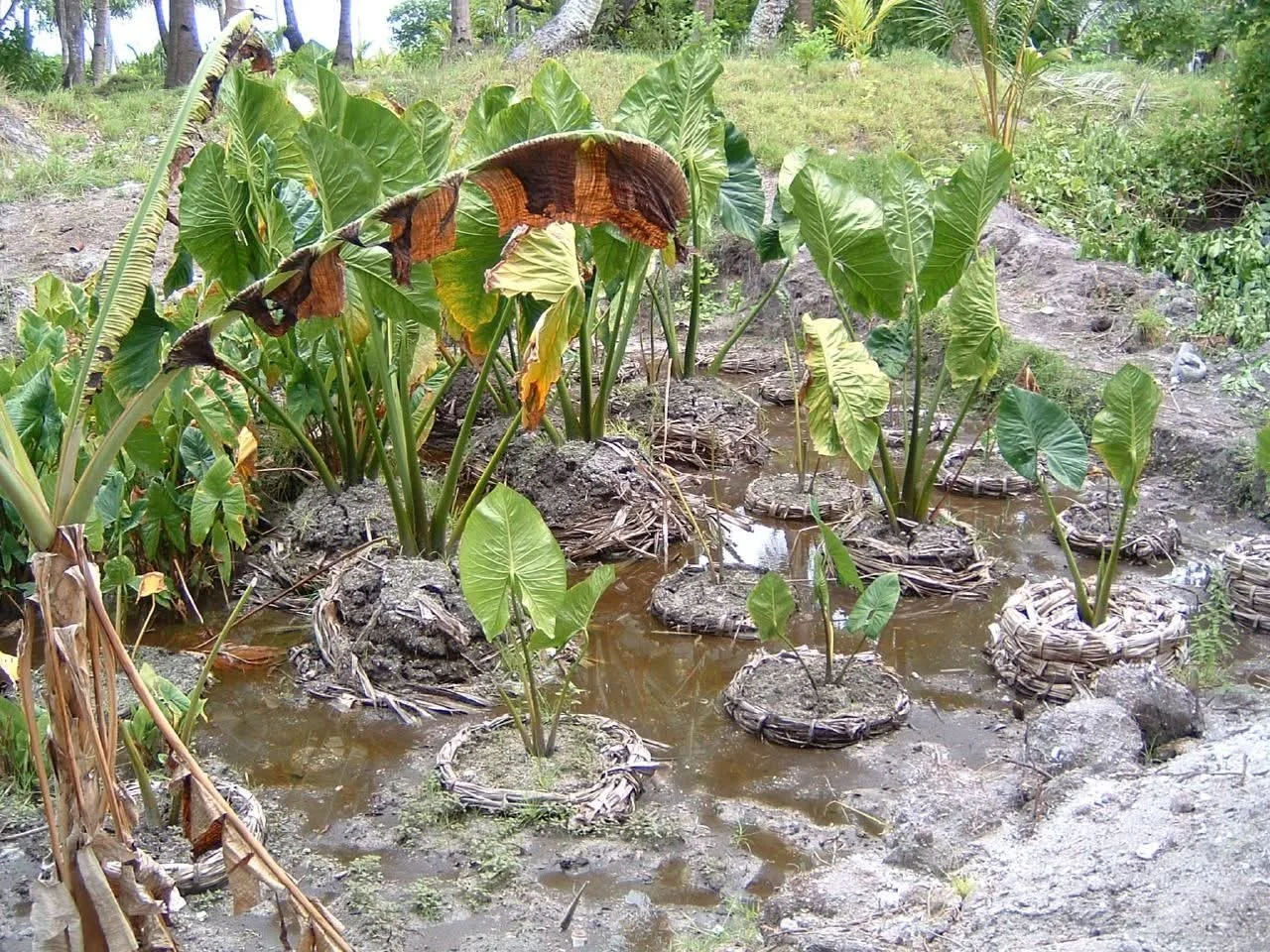
Pulaka plantation in Tuvalu
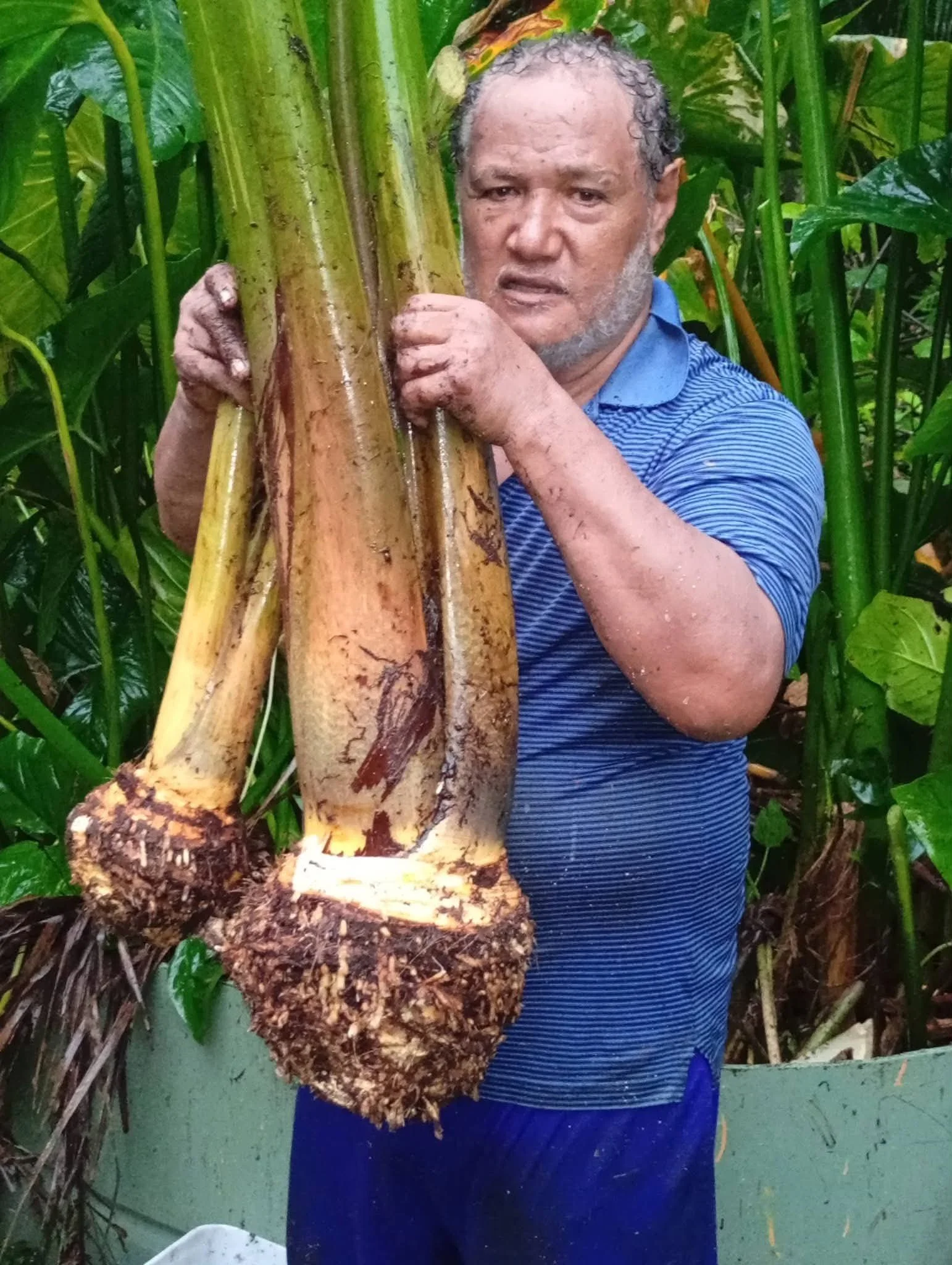
Asita’s brother in law holding freshly harvested pulaka in the island
For Asita Molotii, a Tuvaluan community member from Nukufetau, memories of kai from childhood are memories of a life that was natural, fresh and deeply connected to the land and sea.
“Our everyday food was always natural. We lived from what we grew and gathered ourselves”.
Families had their own plantations and grew crops to sustain themselves. We lived from what we grew and gathered ourselves - pulaka, breadfruit, and taro from subsistence farming, alongside the plentiful fish, crabs, land lobsters, sea clams, and many other foods from the lagoon and surrounding land. Families also raised their own pigs and chickens to support what was already plentiful around us. That was our normal way of life, and to me it was a rich one.
Kai was never just food. It was part of who we were. It connected us to our island, to our family, and to each other. It taught us to value what the land and sea provided, and it carried a sense of dignity, care, and belonging.
“I am from Nukufetau, and when I think of kai from my childhood, I think of a life that was natural, fresh, and deeply connected to the land and sea.”
Young boys and girls would go fishing together, sometimes as teams of young men and women. Fishing competitions and festivals were normal opportunities to get together, have fun and celebrate in the island way. Community fishing was about coming together. Dance, humour, food, storytelling and relational connection became just as important as the food itself. The fish caught were shared back with the community. Bringing heaps of food to community events for everyone to share has always been a sign of love that continues to be practiced today; food is a form of cultural expression for care, collaboration, unity and connection.
“Pulaka and coconut plants were particularly important.”
Similar to taro but with bigger leaves and larger, coarser roots, pulaka is a resilient crop that provides a variety of dishes, and could be preserved for months, even a year. The coconut tree is the same, it provides fresh drinks in the form of a young coconut or sap/juice that could be preserved for years. There are many other uses of the plant - food, oil, drinks, firewood, building materials etc. Both the pulaka and the coconut trees have been security crops that has sustained Tuvaluan communities through difficult climate conditions including long droughts. Growing food in Tuvalu required resourcefulness and hard work due to the shallow and sandy soil quality. The soil is usually deficient in most of the important nutrients needed for plant growth. Crops could take two or three times more effort to grow, and families had to continually add nutrients to the soil through fertilisers such as manure and compost.
Compared to other Pacific Islands where soils are more fertile and they can grow a larger variety of crops; Tuvalu has some of the greatest variety of ways to prepare and cook pulaka. Because we have had fewer crops to work with, our people have learned to make the most of what we have, creating many different ways to prepare this important staple as well as available crops.”
The knowledge was not simply about growing and gathering food, but about being resourceful with what you have and innovative in using the resources available.
“Climate change is making it harder to grow pulaka, but it’s not only the rising saltwater. Spaces for coconut tree planting are giving way to other developments and home gardens where the results are quicker. Over time, our eating habits have also changed. Imported foods like corned beef, rice and sugary foods became more common, and some of our traditional food practices have been lost. With changing lifestyles, many pulaka pits and plantations have stopped being maintained, disconnecting the community from an important part of our traditional food system.”
The government has created initiatives and partnerships to support reconnecting with traditional practices through home gardening. "I was very much involved in these initiatives back home, supporting women to develop their own gardens. There were competitions recognising the most beautiful garden, how it was planned and the harvest it produced. Vegetables such as cabbage, tomato, cucumber and peppers were grown, with prizes acknowledging the efforts of those who tended the gardens.”
Coming to Aotearoa in 2021 changed that relationship with kai in many ways. Many Tuvaluan families have made their home in West Auckland because of the importance of being close to families. Kai remains one of the strongest ways to hold onto connection.
“The traditional idea of kai as togetherness, collaboration, unity and sharing love was well suited to a way of life where very few people worked in paid employment - in a population of around 800 to 1,000 people closely knitted together, and where only two or three people worked in an office.”
Today, those same cultural practices can sometimes become a burden - time, resources, transportations, venues all have costs. Raising children, education, hospital fees, high rental costs and living place pressure on families and affect personal and family development. The time, resources and expectations involved in attending community gatherings and sharing kai can also become difficult for some people living in Aotearoa. So, while kai continues to keep people connected to home, it also shows the challenges of carrying culture across distance and adapting traditions to a different way of life.
The cost of living is also prompting more people to return to home gardening, reconnecting with practices that have long been part of Tuvaluan life. There is an opportunity to build on this knowledge and bring families together to grow food, share knowledge and strengthen connections. A current project through Tuvalu Alliance for Sustainable & Inclusive Advancement Network Inc (TASIANI) is looking at getting families growing together, with young people and men taking leadership alongside the wider community.
“Through this project, I want families to know that kai is identity, memory, care, and community. More than anything, I want them to understand what it means to be nourished by food that is natural, shared, and grounded in who we are.”
Story gathered as part of Kai West's exploration of the past, present, and future of kai across West Auckland. Shared as a taonga, with thanks to Asita Molotii and whānau.
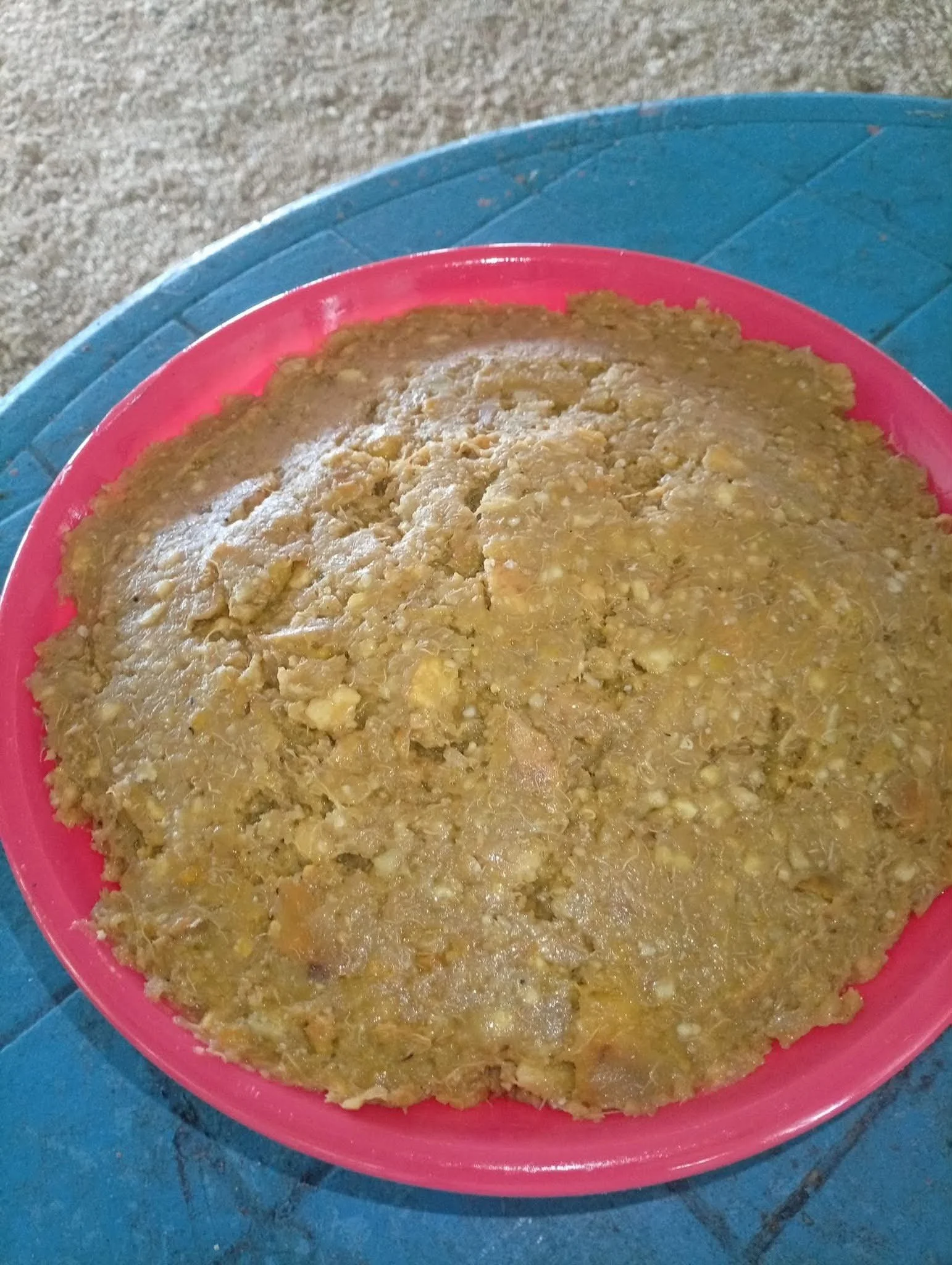
Pulaka dish
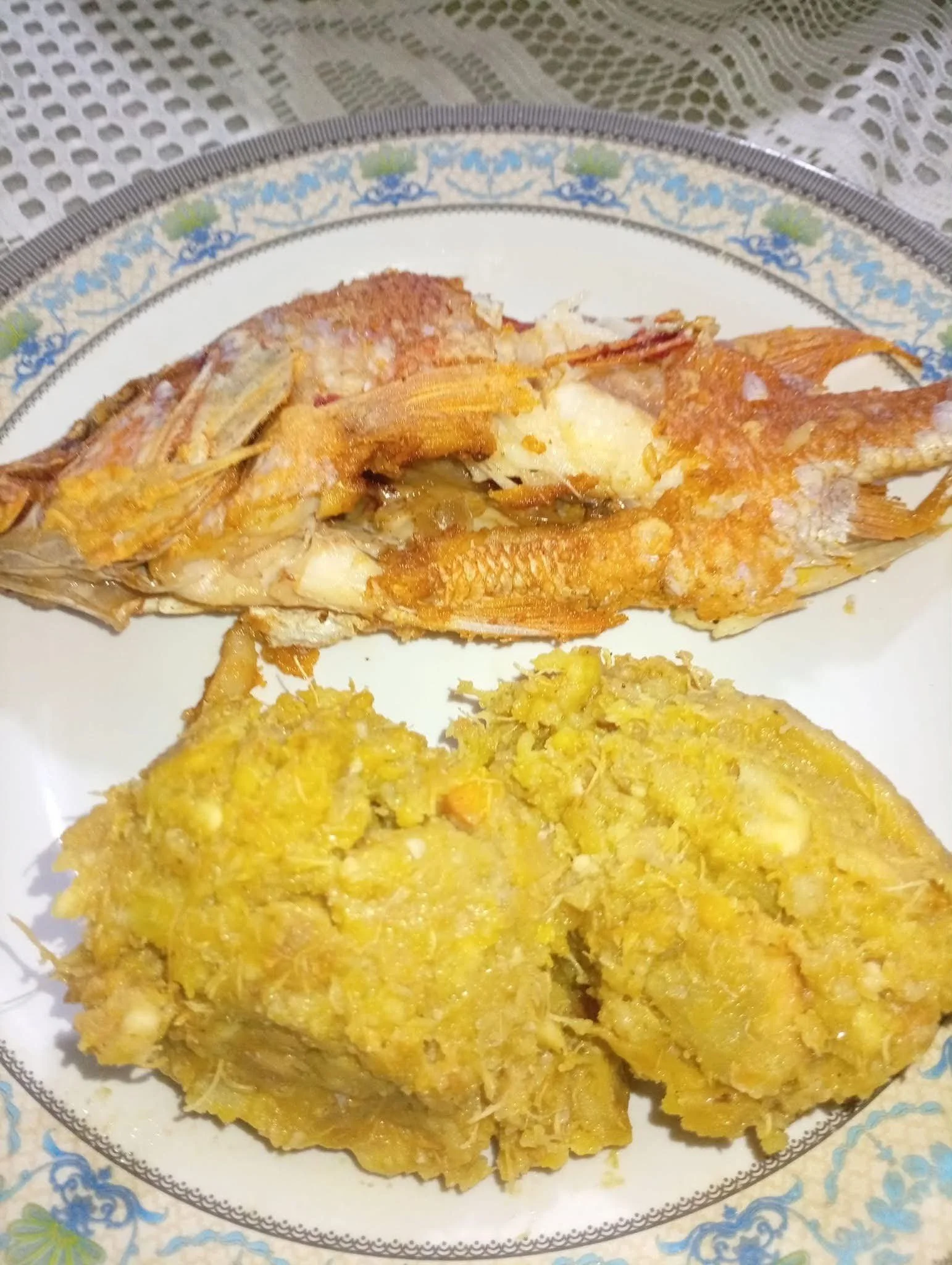
Pulaka dish with seafood
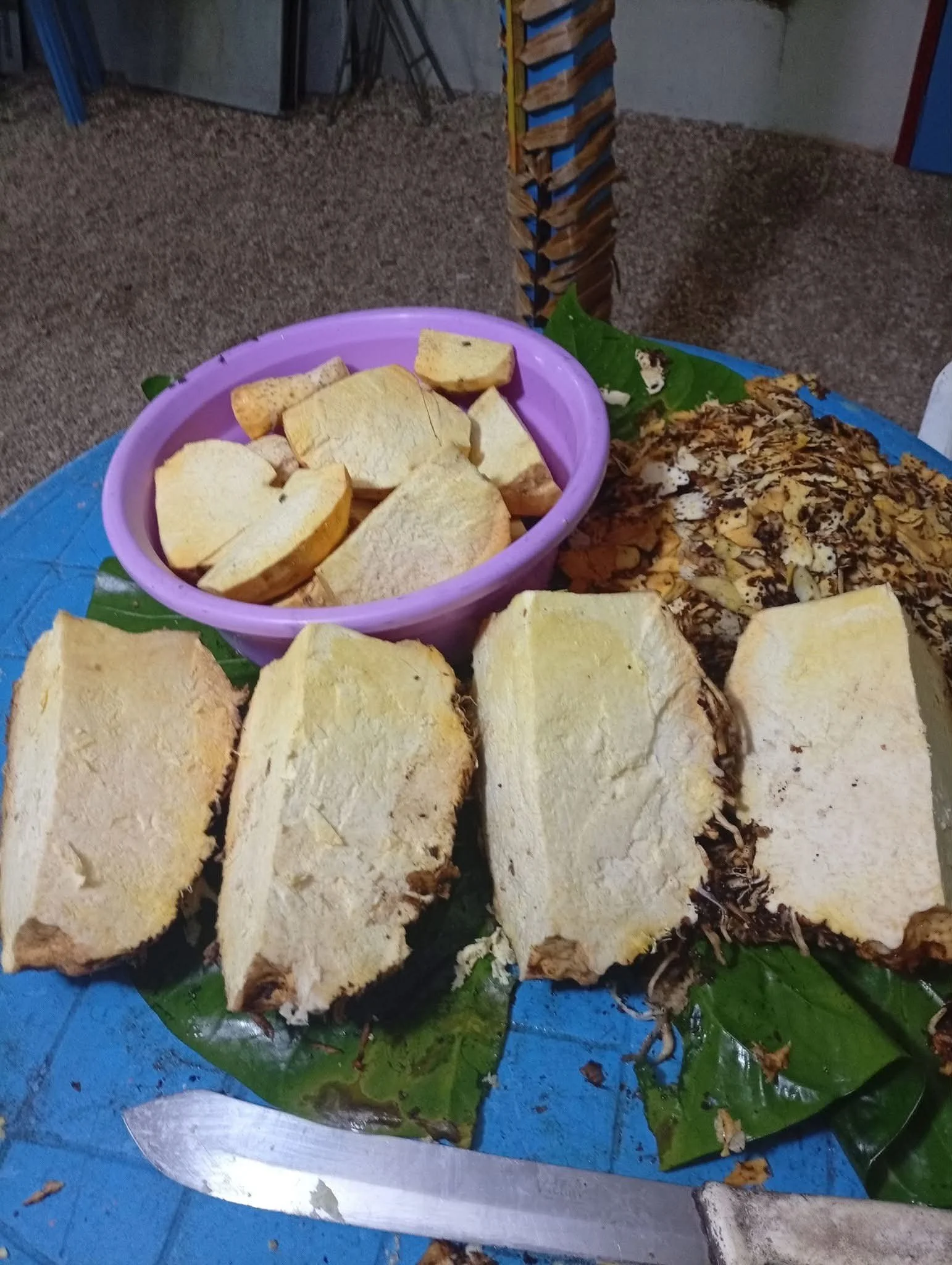
Preparing pulaka
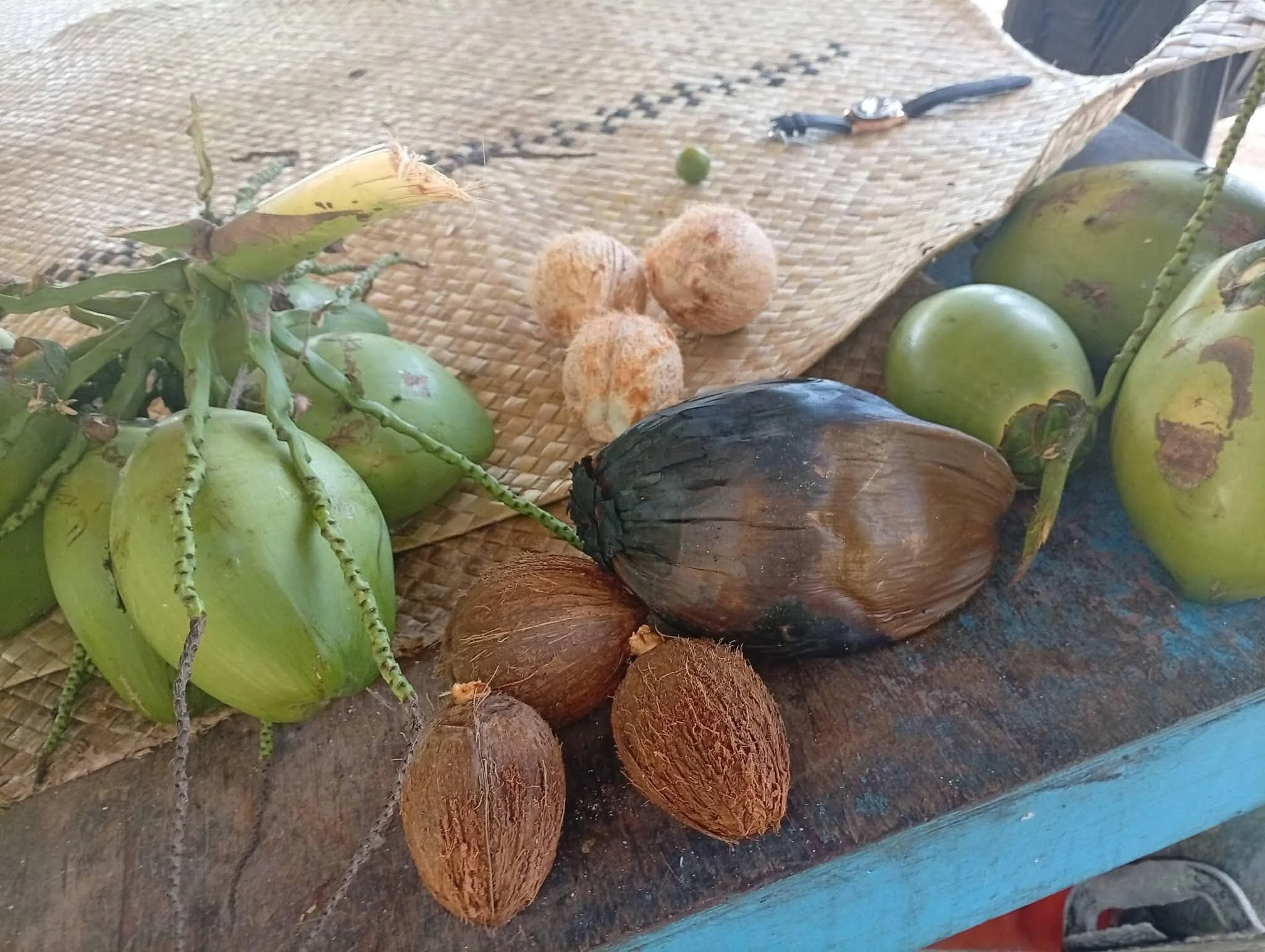
Coconut
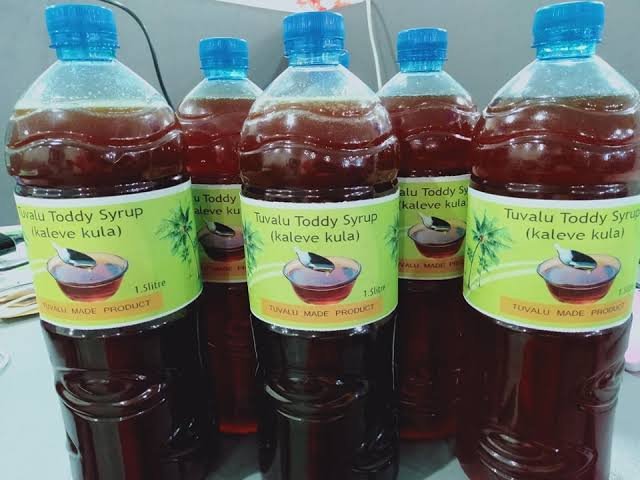
Tuvalu Toddy Syrup