
From clay to kai, growing community at Ambrico
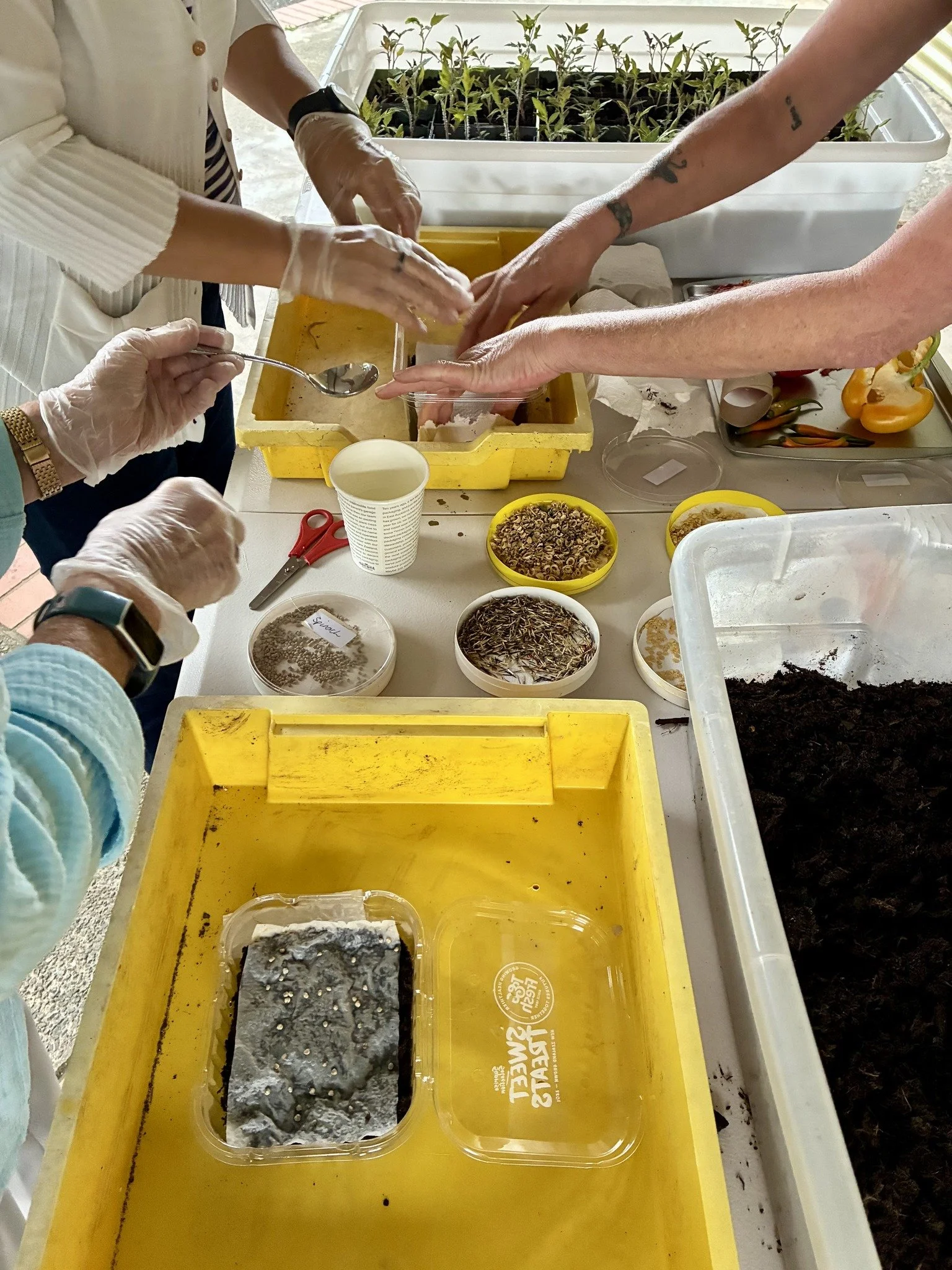
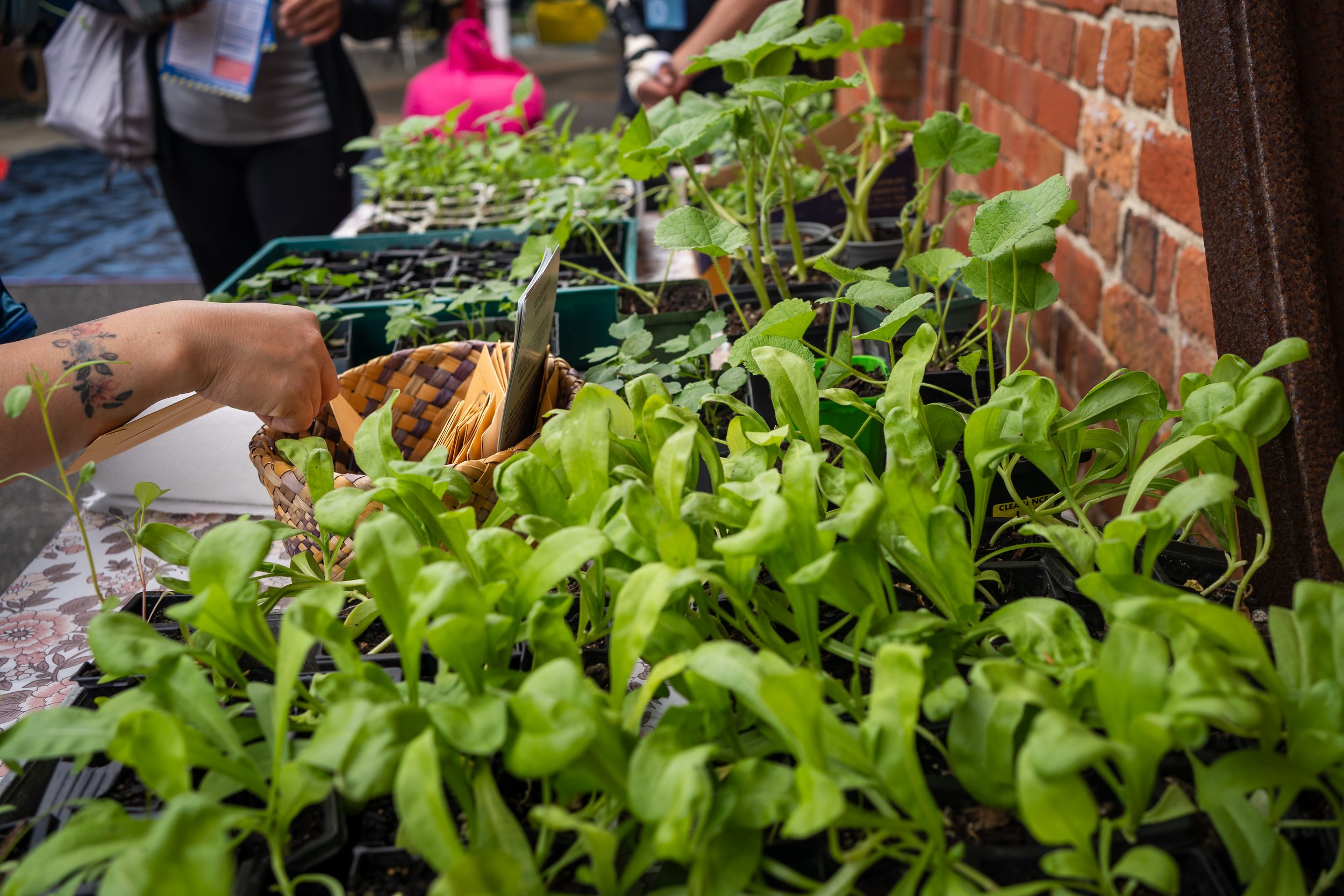
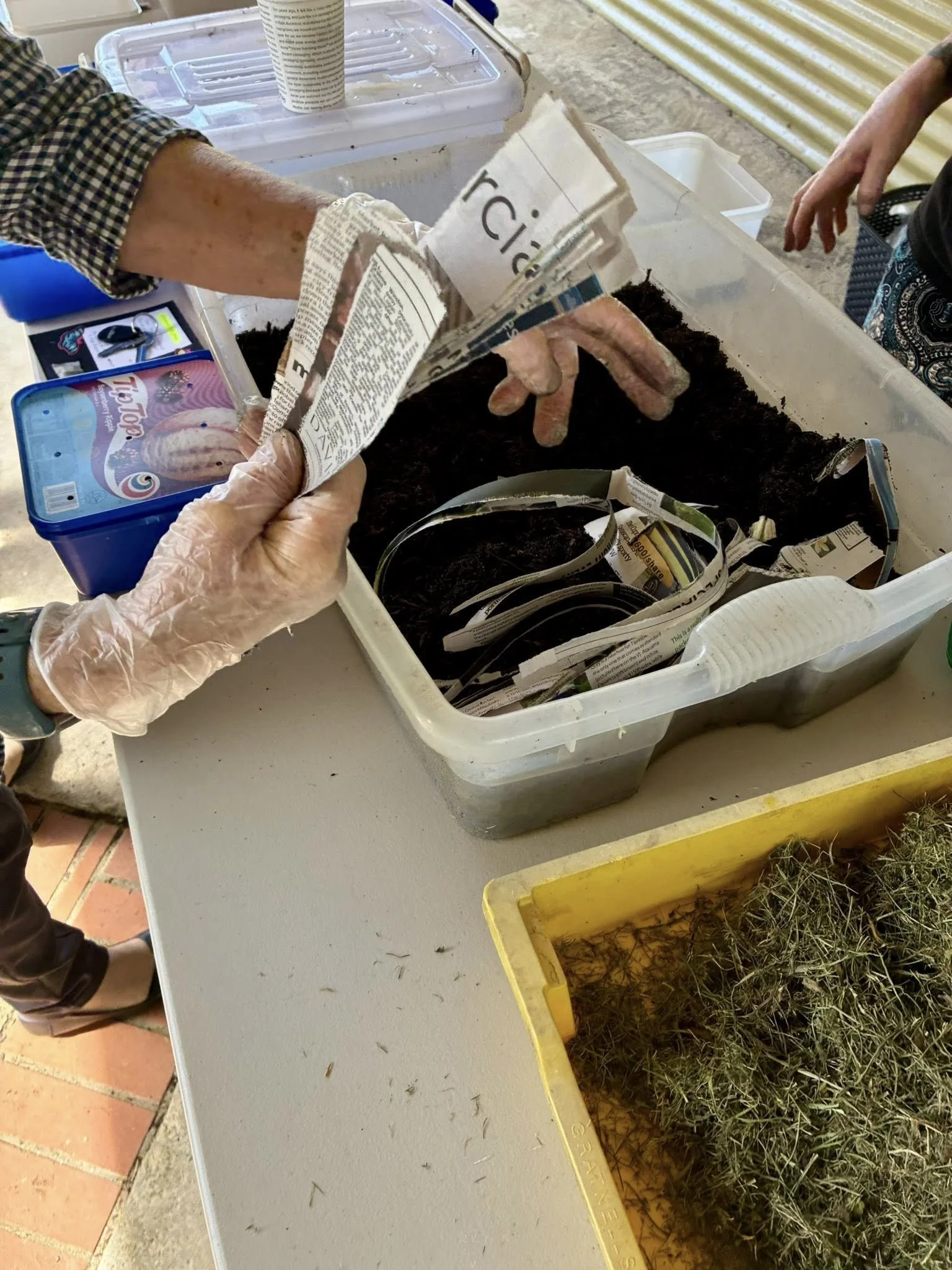
The Ambrico Neighbourhood Hub has emerged alongside wider Kai West conversations in the area, bringing together local partners and community members to explore what a connected, resilient neighbourhood could look like. Established in 2025 and based at Te Toi Uku – The Crown Lynn & Clay Museum, the Hub is supported by the Whau Local Board and is taking shape through workshops, events, and emergency readiness information.
There is a clear intention to become a true neighbourhood hub, connecting the museum more deeply with the high-density community that surrounds it. As Te Toi Uku Director Louise Stevenson shared, “heritage is an amazing way of bringing people together and connecting people to the past and to the place that they're living in.” This vision sits naturally alongside Kai West’s kaupapa of strengthening community connection.
The early Crown Lynn story itself began with growing kai, using the clay from the land to create field tiles that helped drain soil and support food production for a growing Auckland. As Louise Stevenson shared, “it begins with gardening… it’s to do with the ground beneath our feet.” In this way, the museum’s ceramics heritage and the act of growing food are closely intertwined, bringing together history, whenua and community.
Since the initial Kai Conversation event in July last year, this kaupapa has taken shape through community-led ideas and local expertise. Workshops have focused on practical, accessible skills for growing and preserving kai in small urban spaces, like worm farms, seed saving and compact gardening techniques.
A key strength of Ambrico is how it continues to build on existing community knowledge. Participants aren’t just attendees, they are contributors. As Ambrico Neighbourhood Coordinator, Kirstin Carlin explained, community members are now leading workshops themselves, sharing cultural knowledge and skills such as pickling and preserving. This reflects a powerful shift: “we work from where the community is, with the community helping us decide what to do.” The result is a growing sense of ownership, reciprocity and shared learning.
There is also a strong intergenerational and historical thread, with local whānau like Helen Brosnan, whose family has deep roots in New Lynn’s brick and tile industry playing a central role. Her involvement, alongside others, highlights how local knowledge, history, and relationships are being woven into healing the whenua to nurture the community.
Looking ahead, Ambrico aims to establish a community garden space as both a growing and learning hub, further strengthening connections to kai, each other and place. Through this mahi, Te Toi Uku and Kai West are helping to cultivate a resilient, connected community grounded in shared history and collective action.