
Growing connections through kai in Te Atatū
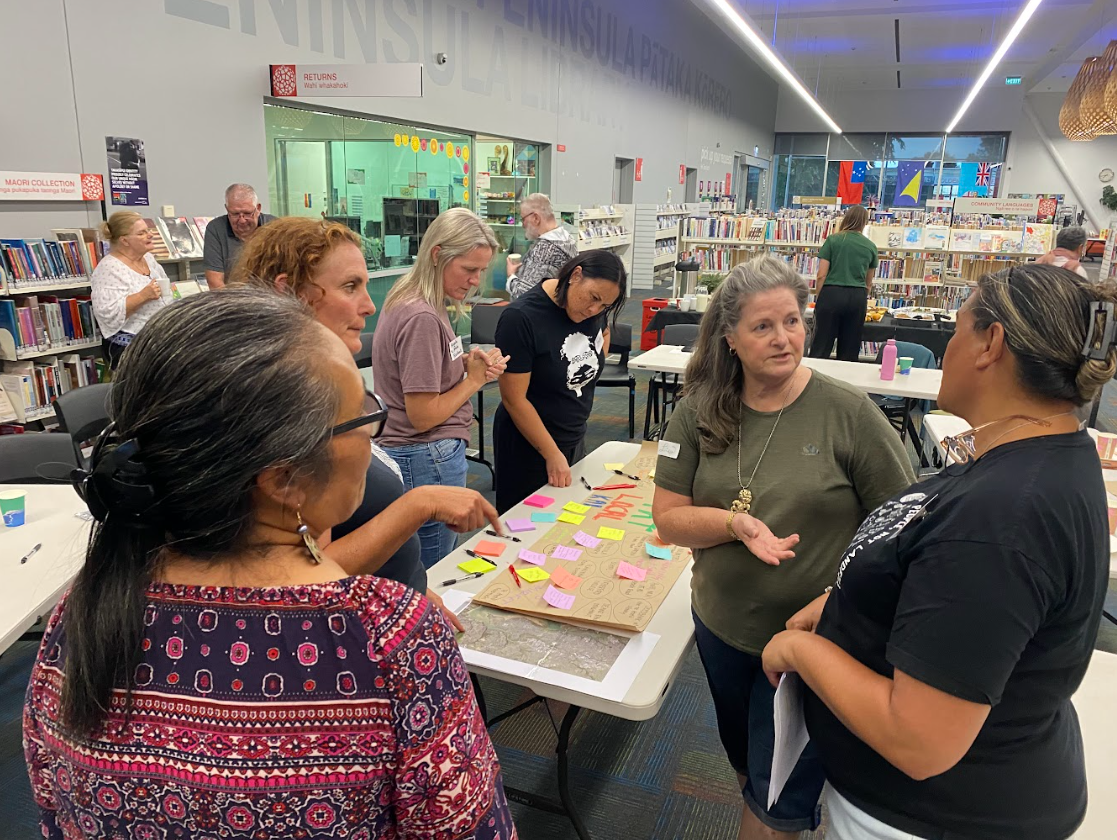
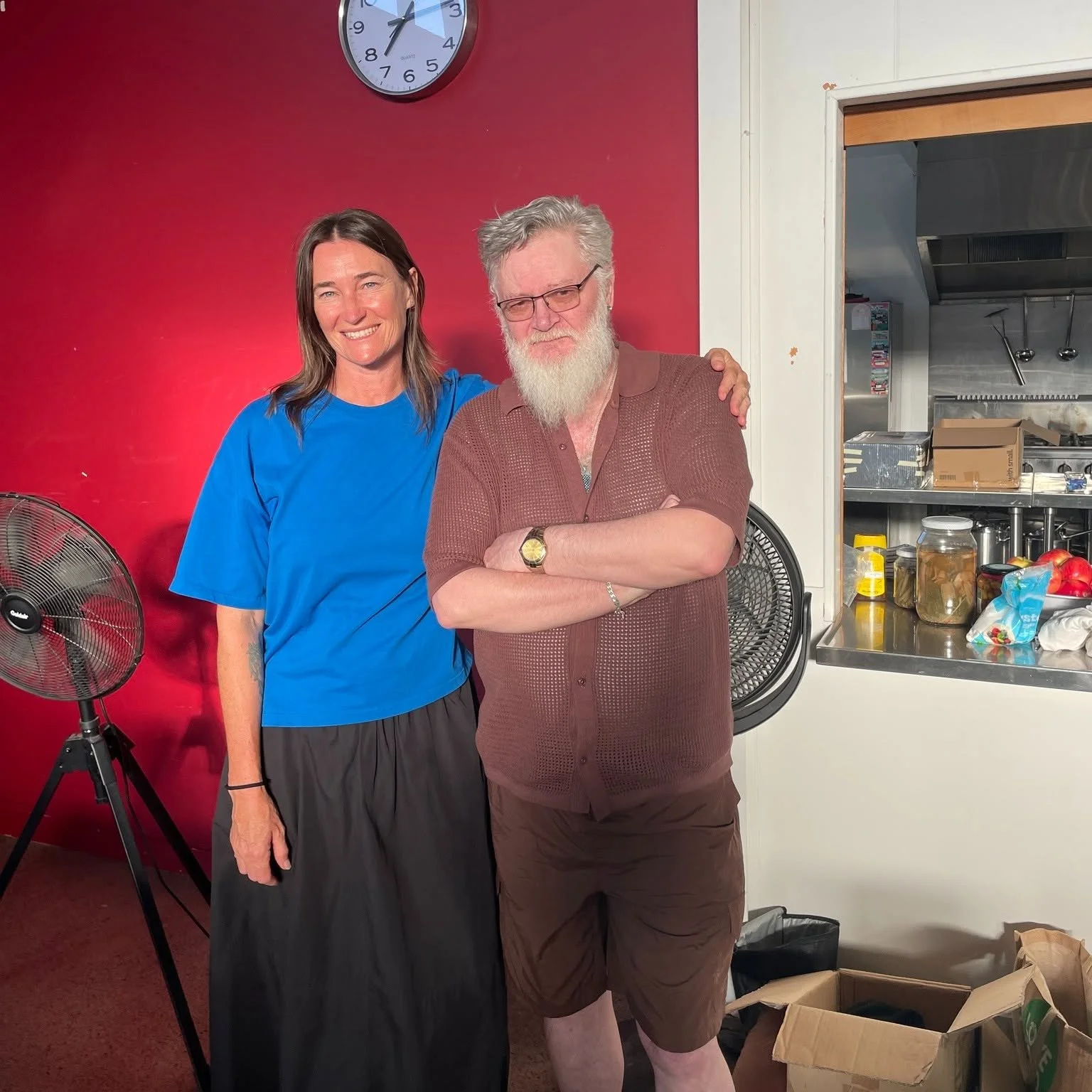
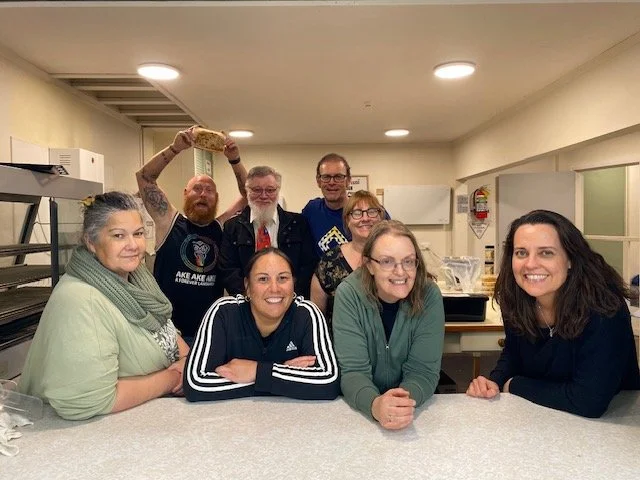
In a neighbourhood with a rich history of food growing, Kai Te Atatū is a community collective connecting people who are doing good things for local kai resilience.
The collective officially began in June 2025 with its first hui, but grew out of the Kai Conversation evenings Kai West organised around West Auckland.
Kai West Collaborations Broker Michele Eickstaedt contacted Lila Kuka, who had been working in the kai space since 2023 through Awhi Mai Te Atatū Charitable Trust, about hosting a Kai Conversation locally.
"I jumped at the idea because it really resonated with me. Te Atatū has such a rich history of food growing and I could see an opportunity to connect the many people already doing good things in our community rather than create another standalone project," says Lila.
"For me, kai is the great connector. Almost everyone has a relationship with food and when you bring people together around a table, a garden or a shared meal, conversations and relationships happen quite naturally."
Lila helped initiate Kai Te Atatū and coordinated the collective until July 2026. In practice, that involved bringing people together, organising hui and events, developing relationships and partnerships, and helping turn some of the ideas coming from conversations into practical projects.
"Kai West has really been the catalyst for getting Kai Te Atatū to where it is today. It created the opportunity for the initial conversations and importantly, recognised that food resilience needs to happen at a very local level."
Lila says it was particularly significant that Kai West didn't come into the area with a predetermined programme. Instead, it helped create the conditions for local people to identify what already existed in the area, what matters to them and what they might do together.
Recently, the collective has been able to employ a coordinator thanks to funding, meaning Lila can step back from a more hands-on role, while still remaining involved and supporting the kaupapa.
The collective brings together local people involved in schools, māra kai, food security and sovereignty, community organisations, and residents who have an interest in kai and community resilience. The working group currently has 11 people involved in the working group, with a much wider circle of people who engage through the dinners, workshops, wānanga and other community events.
"Our vision is to grow a connected community through kai," says Lila.
"It isn't necessarily about producing all our own food. It is about strengthening the local web around kai so our community is more connected, capable and resilient."
Food is a basic need, but the current food system can feel incredibly disconnected, says Lila. While food resilience is partly about being better prepared for disruptions, there's more to it than just emergency preparedness.
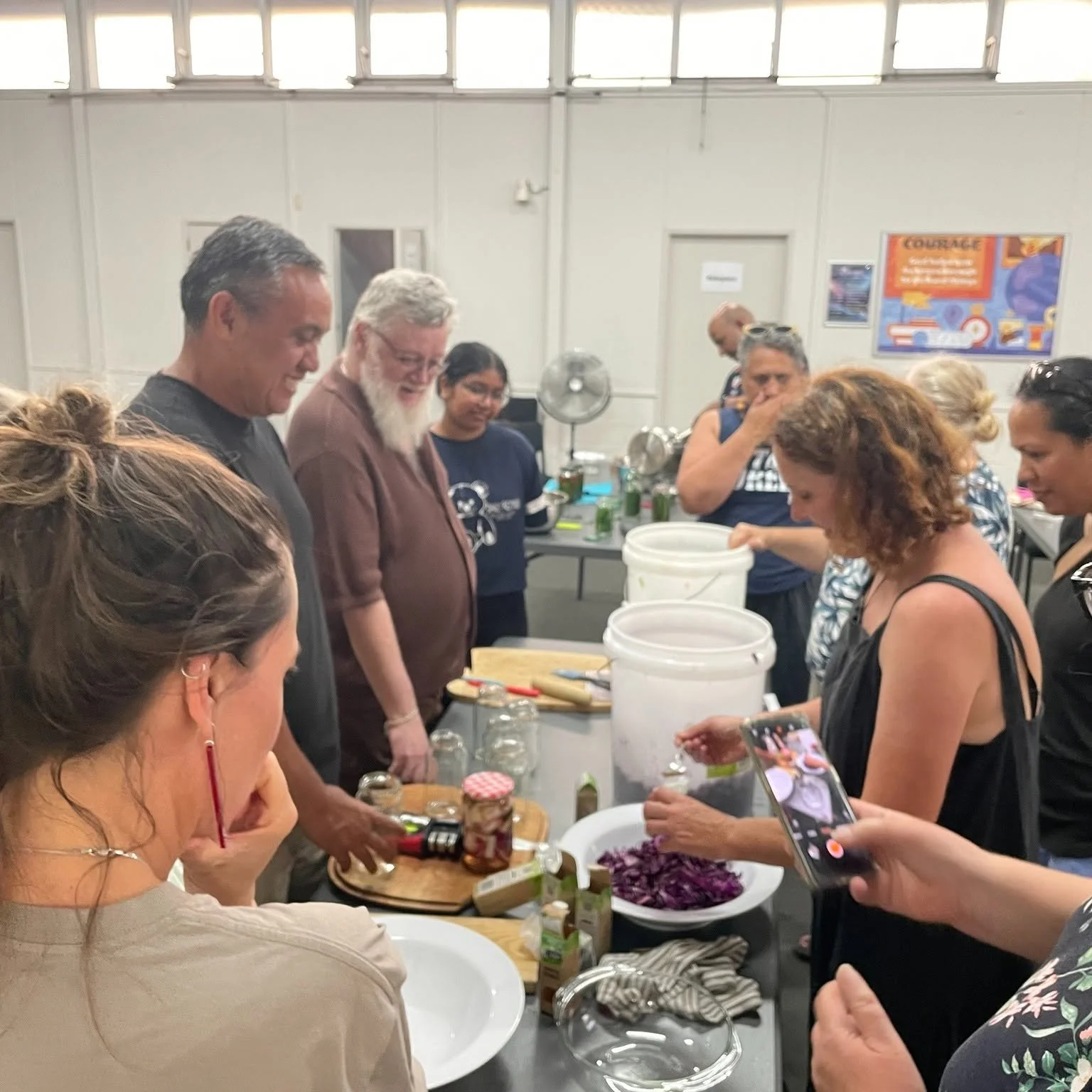
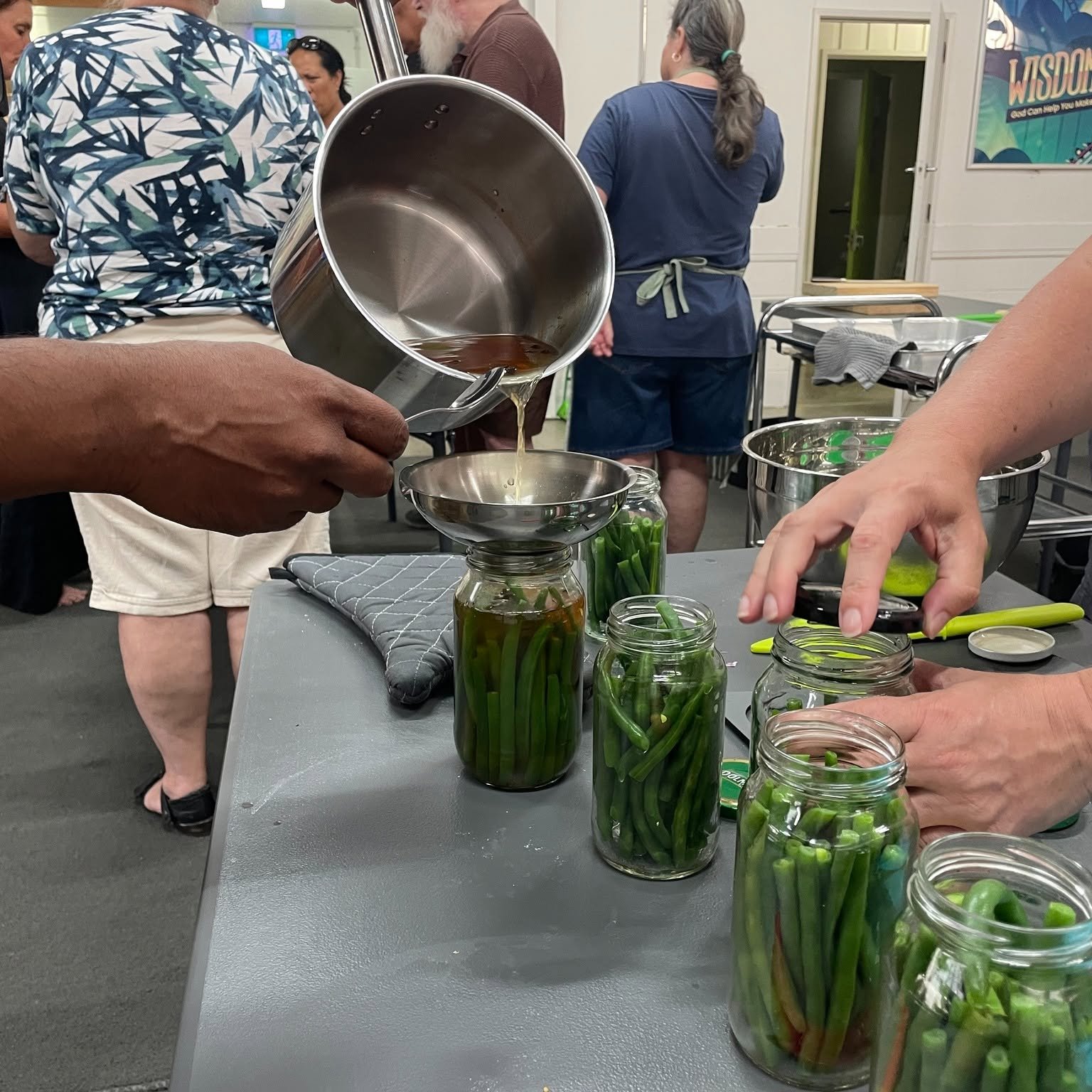
"When people know how to grow something, cook something, preserve a glut, compost their scraps or share excess produce with a neighbour, we build capability within the community. When those people know each other, we build resilience."
There are also environmental benefits, says Lila. Growing locally, eating seasonally, composting food scraps and sharing surplus reduces waste and reconnects people with the whenua and the natural systems that sustain us.
"Perhaps most importantly, kai creates relationships. A resilient community isn't just one that has resources, it is one where people know each other and are willing and able to help each other."
Lila feels one of the biggest wins is that the network exists and has kept going, because it means people who were previously doing related work separately now know each other, share information and can collaborate.
The collective has also moved from talking to doing, hosting community dinners, running practical workshops and wānanga around growing, cooking and preserving, as well as strengthening relationships between local groups.
Having funding for a dedicated coordinator has also helped the collective move beyond what volunteers can fit around their already busy lives.
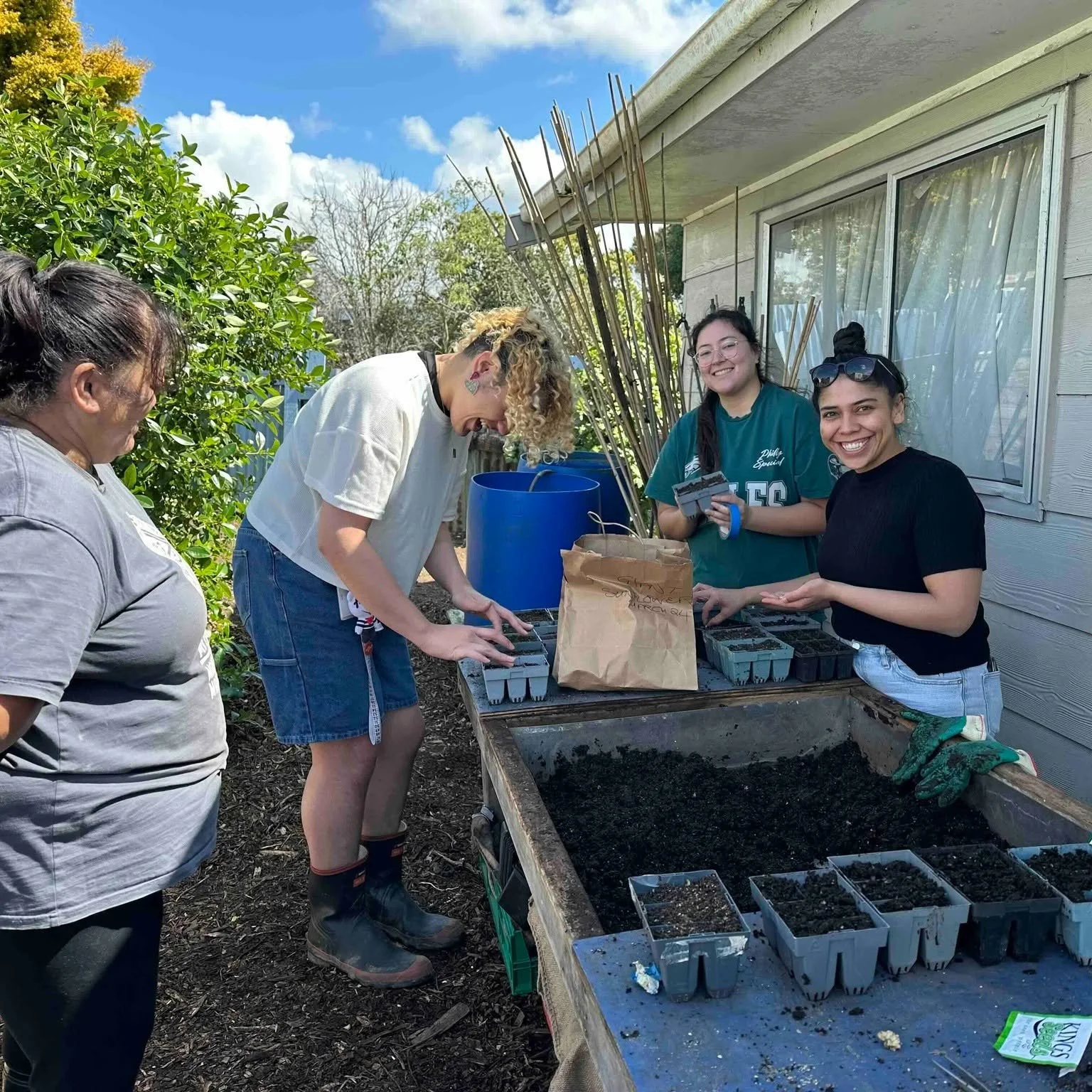
Lila is also proud of the Grow, Cook, Share project underway at Peninsula Primary School. The project gives tamariki hands-on experience in growing food and preparing and eating it together, as well as learning about caring for the soil and where food comes from.
"Our aim is that excess produce can then be shared back into the community. Some frozen meals that the tamariki cooked have already been shared back to the local food bank. To me, that captures so much of what Kai Te Atatū is about. It's about skills, connection, sharing and building resilience."
With a coordinator on board, Lila says the next steps for the collective are to strengthen the network, bring more local people together and develop a more regular series of practical activities focused on growing, cooking and sharing kai.
Lila's advice for others considering starting a similar group in their own neighbourhood is to start with the people and resources you already have.
"You don't need a huge strategy or lots of funding to begin. Get some people round a table, preferably with food and ask them what is happening here, who is doing it and what knowledge and resources do we already have."
Then she says you can find out what's missing from that and what those involved would love to see happen.
Starting small with a shared meal, a crop swap, preserving afternoon or gardening workshop can be enough to begin building relationships.
"The network comes first and the projects can grow from there," says Lila.
If you'd like to get involved with Kai Te Atatū, Lila says it's as simple as coming along to one of the regular hui or joining an organised event.
"You don't have to be an expert gardener or work in the food sector. Kai Te Atatū is really about recognising that everyone has something to bring to the table, sometimes quite literally," says Lila.
The growth of Kai Te Atatū has been supported by funders and partners who have backed the kaupapa and helped create the conditions for local action. We acknowledge Foundation North, Weave, Henderson-Massey Local Board, EcoMatters, Community Waitākere and Fair Food for their support.