
Milan Yozin Orchards, Swanson: What the Land Once Grew
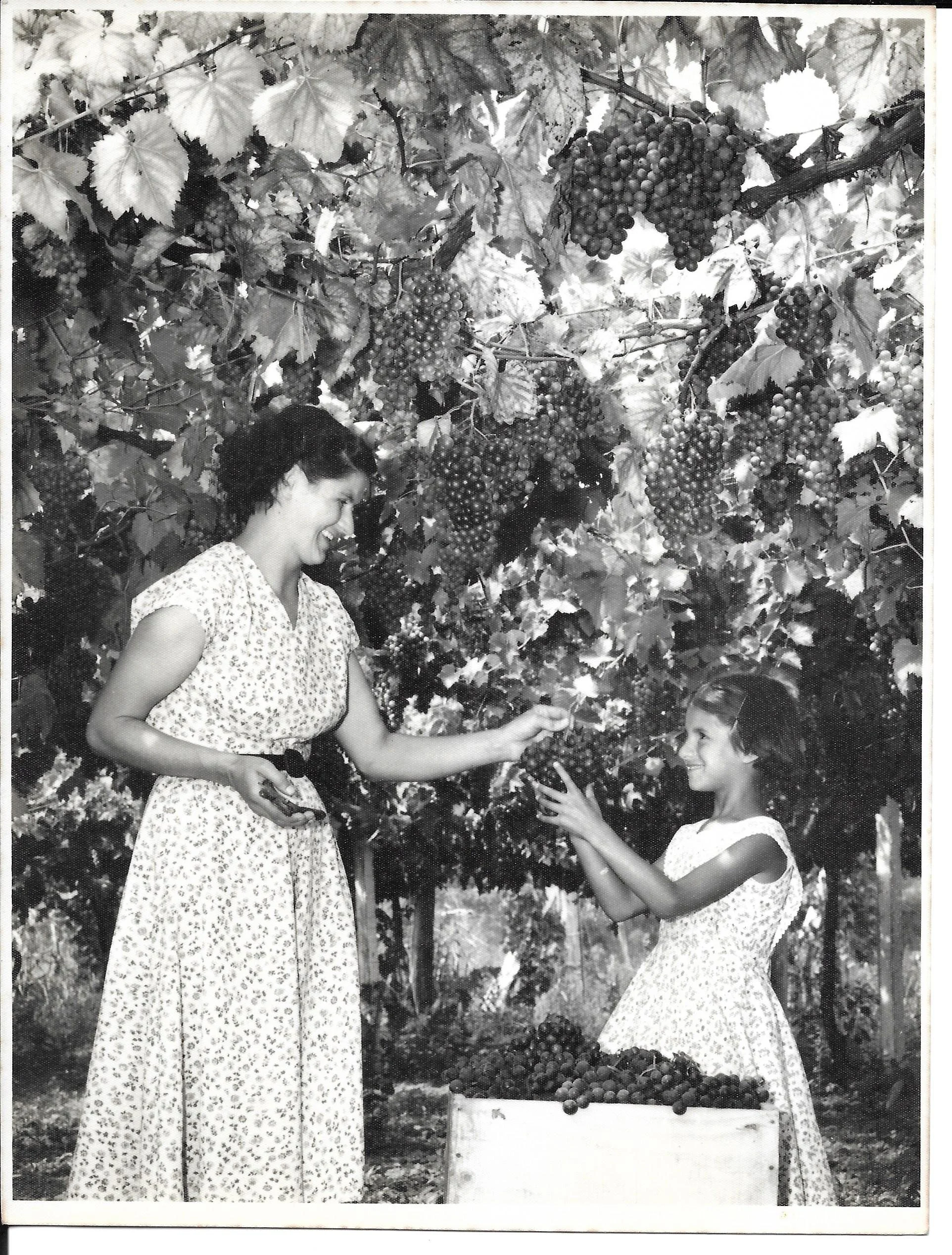

Helen & Mum 1955
Rosalie & Mum (Zorka) in shop - May 2001

Rosalie & Mum (Zorka) outside shop - May 2001
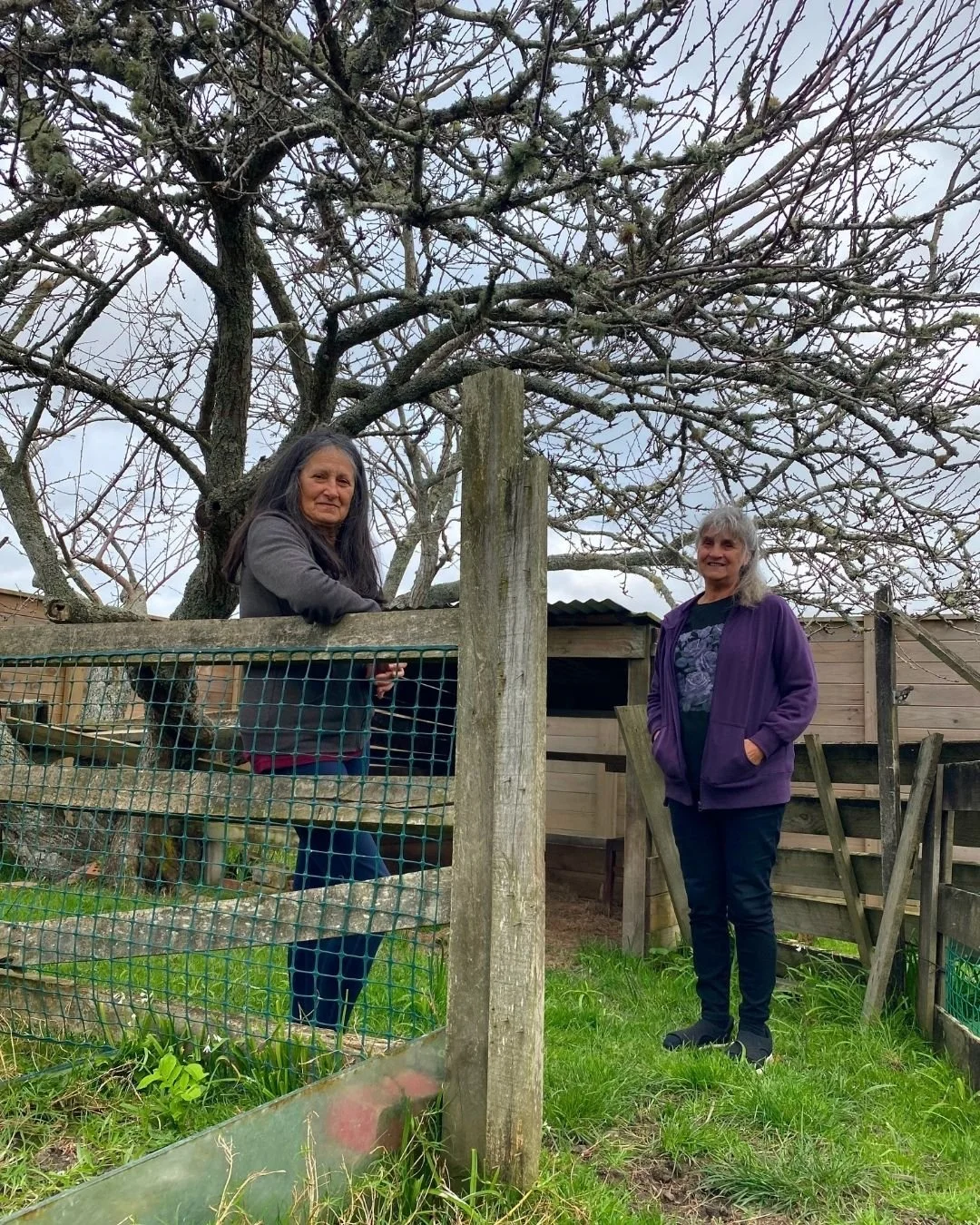
Rosalie &Helen under the heritage Blue Diamond plum tree - September 2026
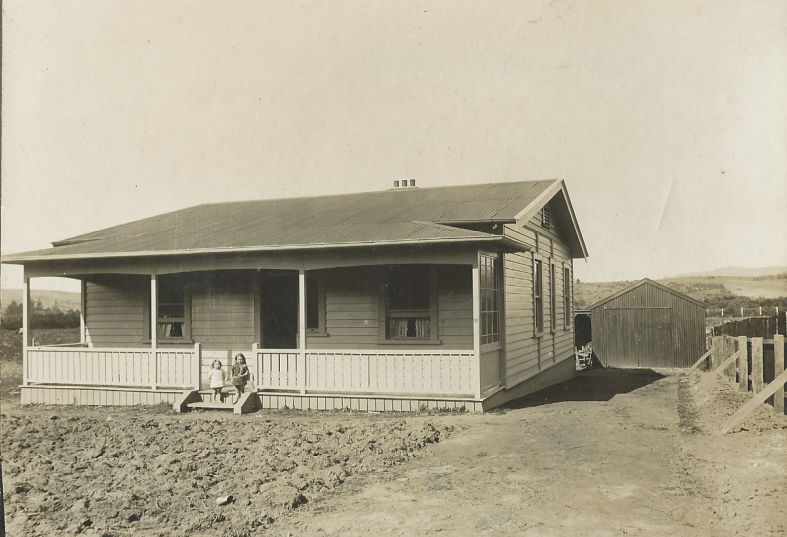
Yozin Family House - 28th August 1914
Rosalie and Helen Yozin are daughters of Milan Yozin, former owner of the Yozin Orchards. The Yozin buildings now designated historic still remain.
On Swanson Road, the old roadside shop and packing shed still stand — now a heritage-listed site. It’s the public face of a ten-acre orchard and vineyard that, for two generations, fed local families, supplied markets and restaurants across the city, and anchored the Yozin name in Swanson.
Rosalie and Helen’s father, Milan, arrived in 1926, sixteen years old and alone, from Podgora, a village on the Dalmatian coastline of what was then Yugoslavia, now Croatia. After 9 years working around various farms in the North Island Milan saved up enough money to put a deposit on a property in Swanson, where he initially farmed cattle alongside developing an orchard and market garden.
In the early years, before there was any shed or shop to speak of, people simply came to the family's front door. Apples, pears, peaches, plums, quinces, lemons, grapefruit, oranges and vegetables were sold straight off the porch, weighed into 20lb and 40lb bushel boxes, or brown paper bags. Milan moved the picked fruit around the property with a horse pulling a dray, long before the family could afford a tractor, and their mother, Zorka (nee Hrstich) milked the cows each day at a cow bale in the corner of the property.
Milan was born Milan Babić. In Yugoslavia, tradition identified which family a child belonged to by adding the father's Christian name to the end of the child's own - Milan's father was Joze, and in the male form, tagged onto a son's name, Joze became Jozin, the "J" said with a sound closer to the English "Y." So, purely for identification, people called him Milan Babić Jozin. When he applied for his passport to come to New Zealand, he wrote the name the same way - but his handwritten J looked enough like a Y, and sounded enough like one too, that New Zealand immigration recorded it as Yozin, not Jozin. By the time Milan had learned English, he'd decided he'd rather keep the new spelling than have people mangle the old one, and Yozin became the family's name in this country.
In the 1940s came a vineyard, planted with around twenty varieties for winemaking. Two of them, Albany Surprise and Niagara, turned out to be popular eating grapes as well - sold to locals and to restaurant owners who bought Milan's grapes through the Turners and Growers market. Both varieties are still widely found in West Auckland backyards today. It was a working property, and Milan's children were part of that work from early on - Rosalie and Helen among them, learning the orchard the way you learn anything that matters: alongside someone who already knew, harvesting, sorting, and packing produce that went out to families across the district.
Wine grapes such as Tintara and Siebel went to other winemakers and to customers making their own wine at home. Helen remembers helping pick them, and the purple stains that stayed on everyone's hands afterward.
The fruit shed itself went up in 1951. By 1956, Helen was old enough to serve customers there herself, standing on an upturned bushel box so she could see over the counter. By then the vineyard's grapes were grown under wire netting to protect the grapes from the birds, so the fruit could ripen on the vine, turning as sweet as possible before it was picked. Grapes were sold in trays or paper bags alongside the fruit and vegetables, weighed out the same way it always had been.
"Back then, " Rosalie recalls, "we were all part of one community.” At Swanson School fundraisers and the annual gala, the Rawiri whānau prepared hāngī, and the whole community turned out to take part.
Each Sunday night, once the shop had closed, their mother packed the week's produce carefully for market, and it went out early the next morning on the Swanson Transport truck. “Milan's grapes had a reputation well beyond Swanson itself - chefs from Auckland restaurants preordered them, and so did the visiting cruise ships that harboured in the city,” Helen recalls her mother telling her.
Winemaking was never just a sideline for Milan - the wine cellar became something of a social hub in its own right. People who came to buy wine were often welcomed in, and more than a few became personal friends; some ended up working for Milan too, whenever there was work going on the property. Even after he was diagnosed with lung cancer, about two years before his death, Milan kept selling from the stock he'd already built up, right through until he died in 1975. His stockpile of wine outlasted him by years.
After Milan’s death, his son, who took over the running of the family farm, chose not to continue the winemaking side of the business.
Their brother ran the orchard itself for the next fifteen years, until Rosalie took over in 1990. Other than when Helen, who was dealing with her own health problems, Rosalie ran it for the next nineteen years with only their mother's help, until their mother's health no longer allowed it. No third generation carried the farm on after that.
By the time Rosalie took the reins, the only fruit trees still viable were the plums and the Albany Surprise and Niagara eating grapes. Rosalie built an organic garden, selling produce from the shop, and kept a small flock of hens - supplying eggs and market-garden produce to Kelmarna Gardens in Grey Lynn.
Rosalie had given up her career to take over the running of the farm. She converted what remained of the orchard to organics and became a certified member of Organic Farms New Zealand.
Around 2012, Auckland Council ended its policy of granting horticulture growers 50 per cent deferred rates, and rates climbed sharply. It was the same story for small growers across the region: the economics that had sustained a family orchard for sixty years simply stopped adding up.
The 1914 family homestead and its two adjoining sections are also part of the protected heritage site.
For the reason of Rosalie’s love of the land, Rosalie purchased one of the sections on the heritage designated land for her continued future use. On that site remains two heritage Blue Diamond plum trees that still bear fruit where the orchard once spread across ten acres. The rest of that land has become housing.
Story gathered as part of Kai West's exploration of the past, present, and future of kai across West Auckland. Shared as a taonga, with thanks to Rosalie Yozin and Helen Yozin Menzies.
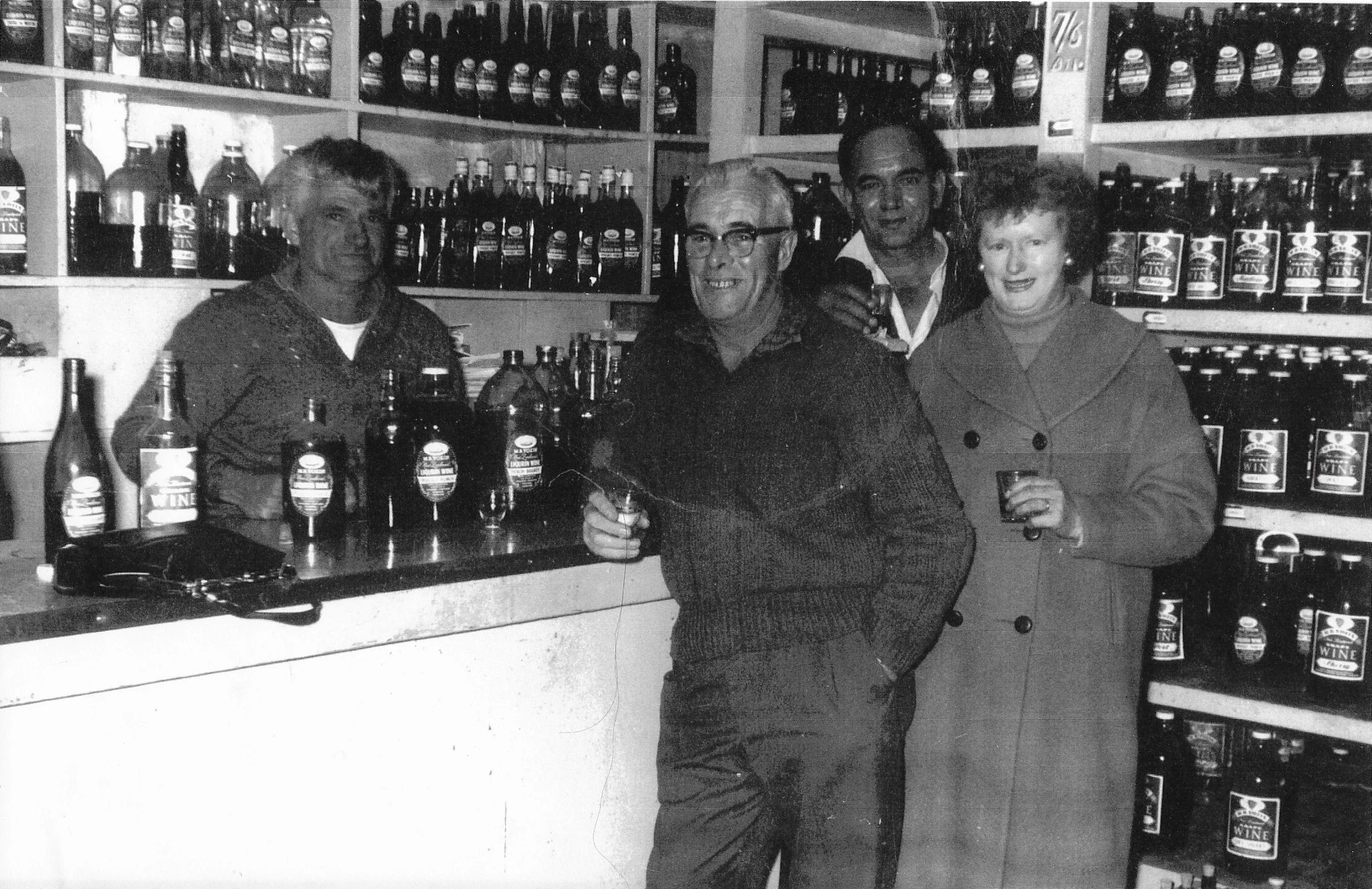
Milan Yozin at Cellar
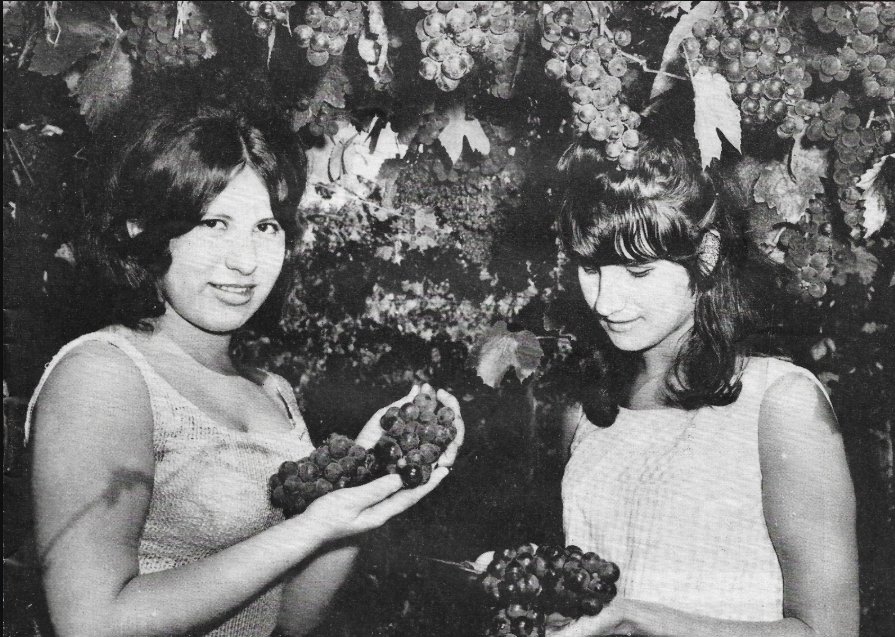
Sisters NORMA and Helen in the vineyard. Photo was taken in July 1967 for the front cover of "Fruit and Produce" magazine.